
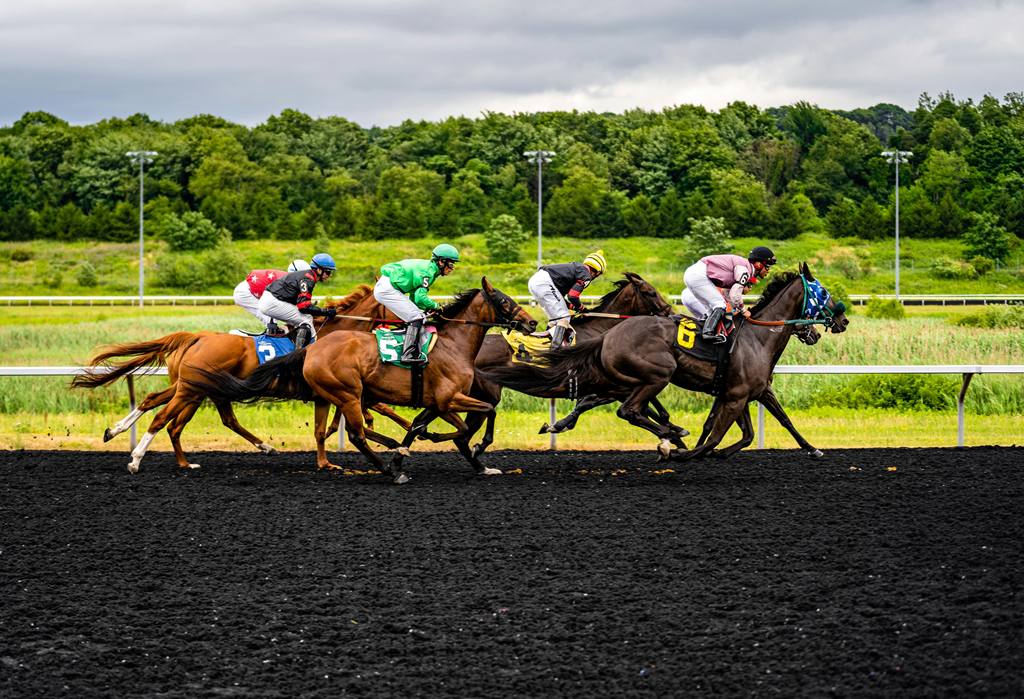

Life at the highest level of horse racing is extremely competitive, with the biggest races on the calendar typically attracting runners from across the globe.
Therefore, only horses that have been at the heart of year-long planning are typically able to thrive when the lights shine brightest. Trainers will have a huge say in plans at the start of the season, and that is especially the case when it comes to the Triple Crown races in 2026.
However, you can find out more about the 2026 Preakness Stakes contenders here. But, what are key lessons from racehorse training that can adapt for managing a high-performance team?
Implement Bespoke Plans
Horse racing trainers will be aware that not all horses in their care will require the same training methods. Instead, leading trainers typically understand that each horse should be trained with their own temperaments in mind.
This is a general rule that can be transferred to any other workplace. Each individual will require something slightly different from a manager in order to perform at their highest level, with some likely requiring more management and others likely being needed to be given the space to flourish.
Understanding the different styles and what suits a team member best is key to producing a high-performance team.
Building Strong Support System
There are many cogs that must be working in unison in order for a championship racehorse to reach their peak level of performance. This ranges from the owners, who will fund the training, as well as vets, handlers, trainers, and grooms that will all work hands-on with an equine superstar.
Jockeys will have one of the most important roles to play, but their job is likely considered to be the easiest if a horse is at their peak level of performance, as all the rider will need to do is to get the race right. A strong support system is behind every horse that competes on track, and that should also be the case in any high-performance team.
Teamwork is required in every business in order to get the best possible results, and that is something that is also evident on the racetrack.
Be Consistent
Horses are creatures of habit, meaning that changes in training plans and diets can throw them off their game.
Therefore, it is important for trainers to remain consistent in their approach when training a racehorse. That includes keeping the same diet, as well as maintaining the same body language and routine. Horses are attuned to this, meaning that any change in pattern could be unsettling for a horse, impacting their eventual performance on track.
This is a constant trend in business away from racing, as consistency is king, and leaders that act in a relaxed and controlled fashion will always get more success than those that are more erratic in their decision-making process.
Emphasis On Data in Decision-Making
Horse racing is one of the sports that are most reliant on data, with metrics being a key factor to consider before making a big decision.
Trainers will typically use wearable pieces of technology on horses on the gallops; recording potentially vital metrics such as stride patterns, blood pressure, and heart rates.
All of this information is crucial for a trainer, as it could indicate a potential change in approach being required to get the best out of the equine. Meanwhile, these metrics could also point to something being amiss, with technology able to pick up on potential injuries before they are visible from the human eye.
Data is at the forefront of any big horse racing decision, and it will likely play a huge role in whether Cherie DeVaux will run Kentucky Derby winner Golden Tempo in the Preakness Stakes.
Set Time Away From The Track
Life at the top of any sport can be draining, and horses are typically forced to work extremely hard to win high-quality races such as the Breeders’ Cup Classic and Kentucky Derby. Therefore it is vitally important that horses are given their time away from competition in order to recover.
This is hugely important for an equine, as it will ensure that they don’t burnout by making too many starts in quick succession. It is typically a reason why trainers opt to bypass the Preakness Stakes after winning the Kentucky Derby, just as Sovereignty did in 2025.
Giving a horse the chance to recover following a big effort will see trainers rewarded in the long term, as the equine will get back to 100% before making their return to the track. Downtime is also vitally important in a high-quality team, as it ensures that those involved don’t become fatigued.
This could have a negative impact on decision-making, meaning that all teams should be well-rested and at 100% in order to thrive and reach their targets.