

For people in Inver Grove Heights, deciding whether to straighten teeth can begin with something as simple as disliking a cbrarowded smile. But alignment is not purely cosmetic. The way teeth meet, the spaces between them, and how easily they can be cleaned can all influence everyday oral care.
That makes orthodontic treatment more useful to think about as a bite-and-hygiene project rather than a cosmetic makeover. The goal is not to create a mathematically perfect smile. It is to understand what is happening in your mouth, correct problems that warrant treatment, and protect the result with habits that keep teeth and gums healthy.
Start With the Bite, Not the Brackets
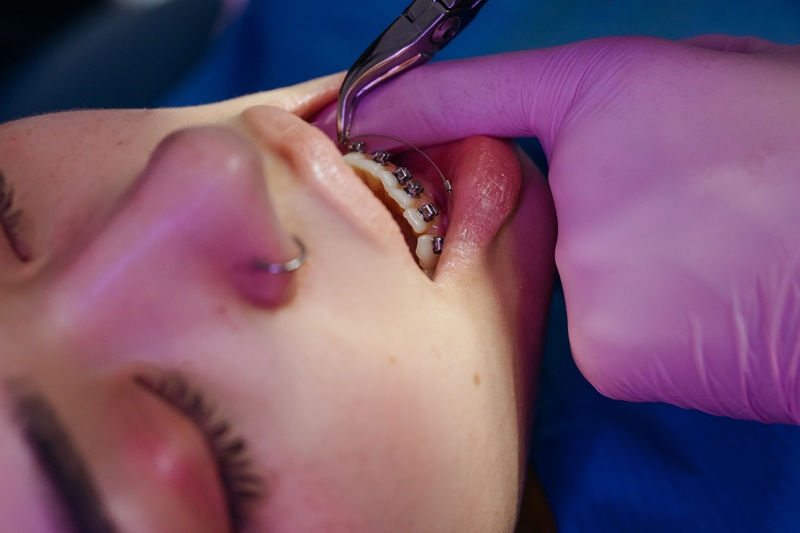
Crowding, spacing, protruding teeth, and uneven alignment are visible, but an orthodontic assessment also considers how the upper and lower teeth meet. Braces gradually move teeth by applying controlled pressure, and different orthodontic systems can be selected according to the problem being treated.
If crowded teeth are difficult to clean, your bite feels unusual, or you are considering treatment primarily for appearance, an experienced orthodontist in Inver Grove Heights can assess tooth position and bite relationships and explain whether braces or another approach is appropriate. That consultation provides a clinical starting point rather than assuming every alignment problem needs the same solution.
Ask what is being corrected, why it matters, and what the proposed treatment is expected to change.
Make Cleaning Part of the Treatment Plan
Straightening teeth does not automatically make them healthy. During orthodontic treatment, plaque can accumulate around brackets, wires, attachments, and other areas that are more difficult to reach.
That makes brushing technique especially important. Follow the cleaning instructions provided by your dental and orthodontic teams, and take enough time to clean around appliances rather than brushing only the easily reached tooth surfaces.
Cleaning between teeth matters too. Depending on the appliance and individual needs, floss threaders, interdental brushes, water flossers, or other tools may make daily care more manageable. The best tool is the one you can use correctly and consistently.
Do not wait for treatment to end before improving oral hygiene. The condition of the enamel and gums matters throughout the alignment process.
Treat Your Gums as Part of the Smile
People naturally focus on tooth movement during orthodontic treatment, but gums deserve equal attention. Redness, tenderness, bleeding, or swelling can signal that oral hygiene needs improvement or that professional evaluation is warranted.
Gum health also affects how the finished smile looks. Teeth may become beautifully aligned, yet inflamed or unhealthy gums can undermine both comfort and appearance.
Keep regular dental appointments while seeing an orthodontic provider. These professionals perform different roles: orthodontic visits monitor tooth movement and appliances, while routine dental care continues to address cleanings, decay, gum health, and broader oral concerns.
If your gums bleed regularly, do not simply assume braces make that inevitable. Ask your dental professional what is causing it and what should change.
Change How You Eat Without Making Food Miserable
Fixed braces can require some adjustments at mealtimes because hard, sticky, or chewy foods may damage brackets or wires. The objective is to protect the appliance without making meals unnecessarily restrictive.
Follow the specific food guidance provided for your appliance. Some foods can be prepared differently—for example, cutting firm foods into manageable pieces rather than biting directly into them.
After adjustments, temporary soreness may also make softer foods more comfortable for a short period.
Nutrition still matters during treatment. Build meals around a varied diet that supports overall health rather than relying heavily on soft foods that happen to be convenient but offer little nutritional value.
Know the Difference Between Pressure and a Problem
Orthodontic treatment can involve periods of mild soreness, particularly after braces are placed or adjusted. That temporary discomfort is different from assuming every painful sensation should simply be tolerated.
Contact your orthodontic provider when something seems wrong, such as a broken appliance, a wire causing significant irritation, or discomfort that is severe, unusual, or persistent. Trying to improvise repairs without guidance can make a manageable problem more complicated.
It helps to ask in advance what to do if a bracket becomes loose or another appliance problem occurs outside normal office hours. Knowing the procedure before you need it makes small emergencies less stressful.
Do Not Let a Straighter Smile Hide Other Dental Problems
Orthodontics changes tooth position; it does not replace general dental care. Cavities, gum disease, enamel problems, tooth sensitivity, and other concerns can still develop while teeth are moving.
Maintain the dental checkup schedule recommended for you. Tell both providers about relevant changes so care can be coordinated when necessary.
This becomes particularly important when a tooth needs restorative treatment or when gum health changes during orthodontics. Communication helps prevent one part of oral care from being managed without considering the other.
Think of braces or aligners as one component of a larger oral-health plan, not a temporary substitute for everything else.
Plan for Retention Before Treatment Ends
The day active orthodontic treatment finishes is exciting, but it is not the day tooth alignment becomes permanently self-maintaining. Teeth can shift after treatment, which is why retainers are an important part of preserving the result.
Ask about retention early rather than treating it as an afterthought. Understand what type of retainer may be recommended, how often it should be worn, how it should be cleaned, and what to do if it becomes damaged or no longer fits correctly.
Build retainer care into an existing routine. A designated storage case can help prevent the classic problem of a removable retainer being wrapped in a napkin and accidentally discarded.
Protecting the result is part of treatment, not an optional bonus phase.
Judge Success by Function as Well as Appearance
Before orthodontic treatment, take note of what you actually want to improve. Appearance may be a completely valid reason for seeking care, but include functional and health-related goals where relevant.
Perhaps crowded areas are frustrating to clean. Maybe your bite is part of the concern identified during an examination. You may simply want greater confidence in your smile while keeping your mouth healthy throughout treatment.
Revisit those goals as treatment progresses. Ask questions when you do not understand why a change is being made or why a particular stage is taking time.
The most useful measure of success is broader than comparing before-and-after photographs. A good outcome should be considered alongside healthy gums, sound teeth, manageable daily hygiene, an appropriate bite, and a realistic plan for maintaining the result.
Teeth alignment works best when the entire process is treated as oral healthcare. That means understanding the bite before treatment, cleaning carefully while teeth move, continuing routine dental care, protecting appliances, and taking retention seriously afterward.
A straighter smile may be the most visible result, but the habits developed along the way can be just as valuable. When orthodontic treatment and everyday oral care support each other, the goal becomes more meaningful than straight teeth alone: a smile that is easier to care for and prepared to stay healthy long after the braces come off.