

Every product a business sells has to travel a long way before it reaches a customer. It moves from a supplier to a warehouse, from a warehouse to a store or a delivery van, and finally into someone’s hands. Each step along that path costs time and money, and each one carries a chance for something to go wrong. When stock arrives late, sits in the wrong place, or spoils before it can be sold, the damage spreads quickly across the whole operation.
A smoother supply chain starts with two things many companies overlook: how they store their goods and how they plan the movement of those goods from one point to the next. Businesses that get these two areas right tend to waste less, serve customers faster, and handle sudden changes in demand without panic.
Keeping Goods in the Right Condition From Start to Finish
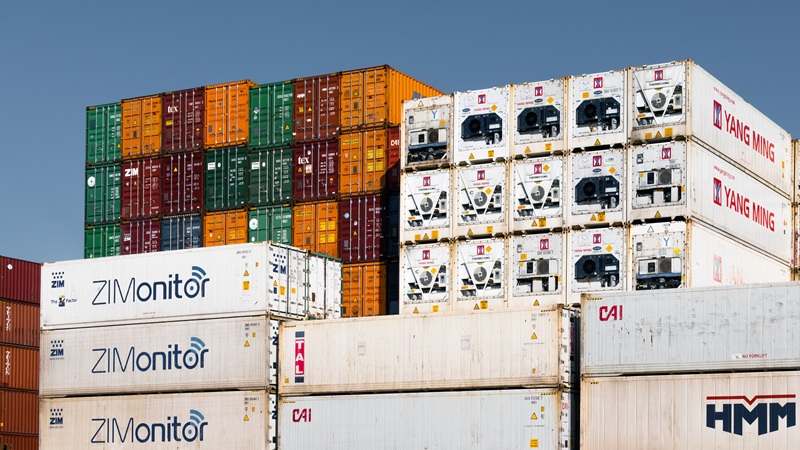
Plenty of companies handle products that lose value fast once conditions slip, from fresh produce and dairy to flowers, medicines, and ready meals. For these goods, refrigerated space is the real pressure point, because a shortage of it during a busy season or a delivery delay can mean an entire shipment has to be thrown away. Flexible cold storage that can be placed right where it is needed solves much of this problem, since it adds capacity without the cost of building a new facility.
Restaurants, grocers, food distributors, and event organizers can get refrigerated containers for rent or sale delivered to their own site, which lets them match their cold space to the season and keep stock fresh through every peak. With that extra room in place, a business can accept larger orders with confidence and stop treating each rush as a gamble.
Building a Clear Picture of Your Inventory
A supply chain cannot run well if nobody knows exactly what is on hand. This leads to two costly mistakes. Some items are ordered again even though plenty remain in the back, while others run out without warning and leave customers waiting.
The fix is simple in principle. Every item should have a clear home, a clear label, and a record that is updated each time stock comes in or goes out. Basic inventory software can handle this for small and mid-sized companies, and regular spot checks help catch errors before they grow. When managers can see accurate numbers at a glance, they can plan orders around real needs rather than guesses.
Organizing Space So Work Flows Naturally
The layout of a storage area has a direct effect on how quickly orders can be filled. When fast-selling items are buried at the back and rarely used items sit by the door, workers waste time walking back and forth all day.
A smarter approach places the most frequently picked goods closest to the packing and loading areas. Heavier items belong on lower shelves, both for safety and for speed. Clear signs on every shelf also help new workers find goods quickly without asking for directions. It also helps to group items that are often ordered together, so a worker can collect a full order in one trip. Small changes like these can make a very noticeable difference without any major spending.
Planning Routes and Schedules With Care
Transport is often one of the highest costs in any supply chain, and poor planning makes it even larger. Trucks that leave half empty, drivers who cross the same roads twice, and deliveries scheduled during heavy traffic all drain money and patience.
Good logistics planning looks at the full week rather than one day at a time. Combining smaller shipments into fuller loads cuts the number of trips needed. Scheduling drop-offs outside the busiest hours can shorten travel time and reduce fuel use. Businesses that work with outside carriers should share their forecasts early, so those partners can plan ahead and avoid last-minute surprises.
Strengthening Relationships With Suppliers
A business is only as reliable as the companies that supply it. When a supplier misses a delivery or sends the wrong goods, the problem quickly becomes yours. Strong, open relationships with suppliers help prevent these issues and make them easier to solve when they do happen.
Regular conversations about upcoming demand, seasonal changes, and expected promotions allow suppliers to prepare. It is also wise to avoid depending on a single source for important items. Having a second supplier ready gives a business options if the first one runs into trouble, whether from bad weather, staff shortages, or a sudden spike in orders from other customers.
Using Demand Forecasting to Stay Ahead
Guessing how much stock to order is one of the riskiest parts of running a business. Order too little and shelves empty out. Order too much and money gets locked up in goods that may never sell.
Forecasting takes some of the guesswork away. By studying past orders, seasonal patterns, local events, and current trends, a business can make better estimates of what customers will want and when. Forecasts will never be perfect, but even a reasonable estimate is far better than a blind order. A holiday weekend, a new product launch, or a change in the weather can all shift demand, and the businesses that respond quickly gain a real edge.
Preparing for Disruptions Before They Happen
No supply chain runs smoothly forever. Roads close, ports back up, equipment breaks down, and storms arrive with little notice. Businesses that plan for these moments recover faster than those that simply hope for the best.
A good plan starts by listing the weak points in the chain. Which supplier would hurt most if it stopped delivering? Which piece of equipment has no backup? Once these risks are clear, a business can put simple safeguards in place. Keeping a modest buffer of essential stock, training staff to cover more than one role, and having backup transport arrangements can turn a potential crisis into a minor delay.