
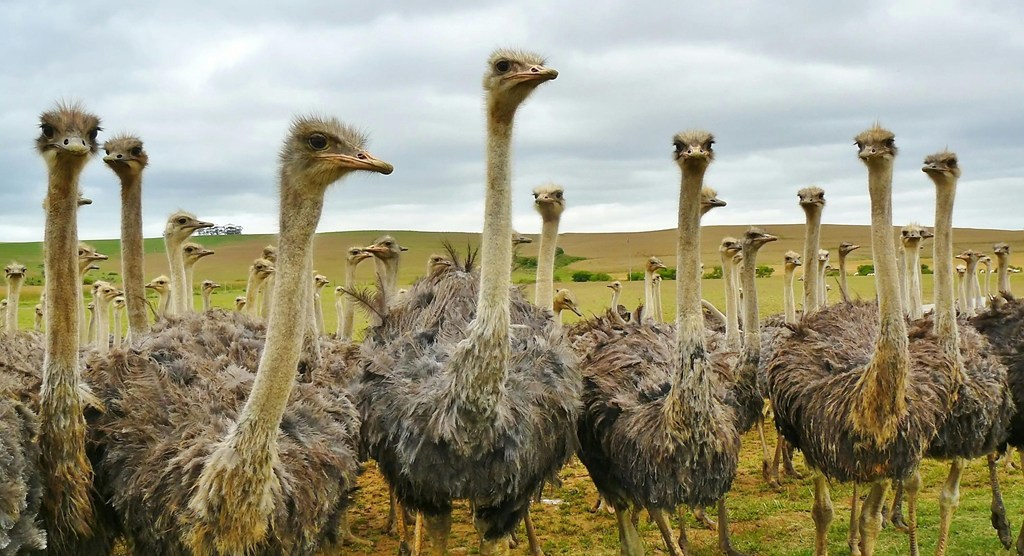

Did you know that the ostrich is the world’s largest bird, renowned not only for its size but also for its unique behaviors and social structure? These majestic creatures have attracted interest not just from wildlife enthusiasts but also from those looking at sustainable agriculture and conservation.
Understanding the intricacies of ostrich behavior, health, and their role in agriculture can lead to better practices in their management and conservation. Below, we delve into this fascinating subject, sharing insights that can help in fostering a harmonious coexistence with these splendid animals.
Exploring Ostrich Behavior and Social Dynamics
While it may be commonly known that ostriches do not actually bury their heads in the sand, they do exhibit a wide variety of interesting behaviors in the wild. Their complex social structures, centered around hierarchical flocks, can teach us much about animal interactions and group living.
Ostriches communicate through a range of vocalizations and body movements. The dominant male, usually distinguished by his bold, black plumage, uses distinct calls and displays to assert his status and attract mates. Observing these behaviors can offer valuable insights into ostrich social hierarchies and mating patterns. Good Ostrich can provide more information on these fascinating dynamics.
For those interested in ostrich farming or conservation, recognizing these social cues is essential. By mirroring aspects of their natural social environment, such as allowing space for hierarchy establishment, farmers can reduce stress and aggression within captive flocks, leading to a healthier, more productive population.
Ostrich Health and Nutrition Essentials
Maintaining ostrich health requires a precise understanding of their dietary needs, which differ significantly from other poultry. A balanced diet is critical for ostriches to develop their distinct muscular build and speed.
These birds primarily eat plant matter, with a dietary regimen that includes leaves, seeds, and sometimes insects. Specialized feed is available for farmed ostriches, formulated to provide the necessary nutrients needed for their growth and well-being. Optimal feeding practices ensure that ostriches receive a variety of foods to mimic their natural foraging patterns.
Farmers should provide frequent health checks for their ostriches, including monitoring for signs of nutritional deficiencies or illness. Accountability in tracking growth rates, feather quality, and activity levels can preempt many health issues, ensuring the long-term sustainability of the ostrich population under their care.
Ostriches in Agriculture: Sustainable Practices and Products
Integrating ostriches into agricultural practices can be a sustainable option, as they provide several by-products, including lean meat, leather, and feathers. Ostrich farming, as part of a multispecies livestock system, can enhance land-use efficiency and biodiversity.
The low-fat, high-protein meat of ostriches is gaining popularity as a healthier red meat alternative, emphasizing the need for ethical and sustainable farming practices. Ostrich leather, known for its durability and unique pattern, is another valuable product and offers an example of the successful diversification within the industry.
By adopting practices that prioritize animal welfare and environmental stewardship, farmers can minimize their ecological footprint while maximizing the economic benefits of ostrich farming. This includes maintaining appropriate stocking densities, ensuring suitable habitat provisions, and engaging in responsible breeding programs.
Habitat Conservation Efforts for Wild Ostrich Populations
Despite their adaptability to various environments, wild ostrich populations face threats from habitat loss and hunting. Conservation efforts are essential to preserve these iconic animals in their natural ecosystems.
Designation of protected areas and implementation of sustainable land management practices are steps towards securing the survival of wild ostrich populations. It’s important to balance human activity, such as agriculture and development, with the preservation of habitats critical for ostrich survival, such as savannas and open woodlands.
Support for international and local organizations dedicated to wildlife conservation can bolster efforts to track ostrich population trends, educate communities, and promote policies that defend ostrich habitats. By engaging with conservation programs, individuals and businesses can contribute to the safeguarding of these remarkable birds for future generations.
In conclusion, whether considering the unique social behaviors of ostriches, optimizing their health and nutrition, exploring their role in sustainable agriculture, or engaging in habitat conservation, a holistic approach can yield substantial rewards. Through increased awareness and dedicated management efforts, we can ensure that these majestic birds continue to thrive both in the wild and on farms, contributing to biodiversity and sustainable industries alike.