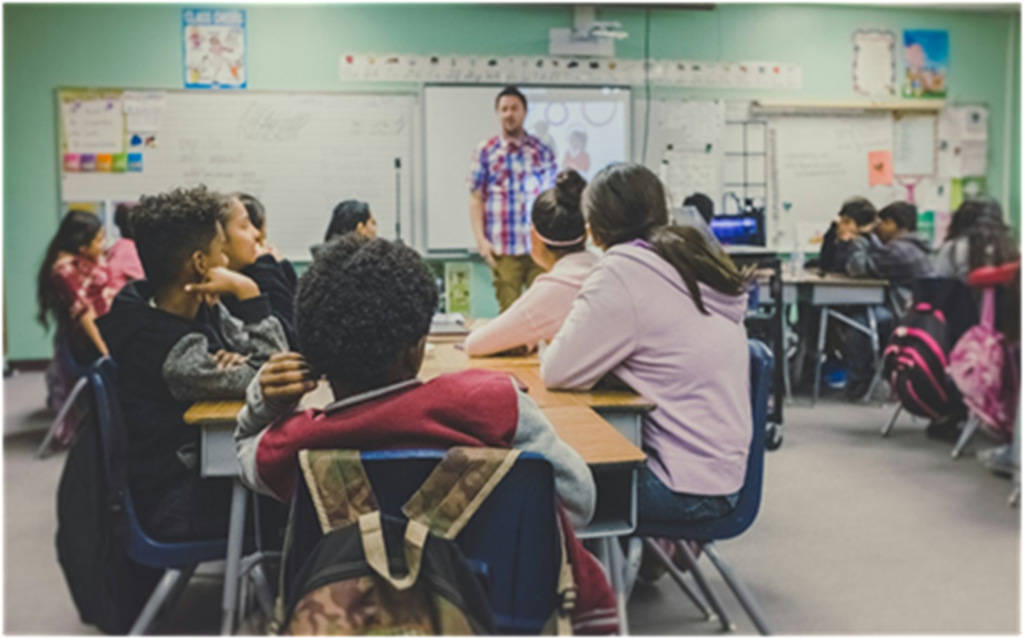

The classroom of tomorrow will not look much like the one most administrators grew up in. Students are arriving with different expectations, different tools in their pockets, and a different sense of how knowledge fits into their lives.
For the people steering schools, districts, and academic departments, the question is no longer whether learning will change but how quickly leadership can keep pace with the shift. Preparation now matters more than reaction later, and the leaders who recognize that are already pulling ahead.
The Academic Foundation of Modern Leadership
The pace of change in schools has outgrown what most current credentials were designed to handle. Administrators trained a decade ago often find themselves managing situations no one prepared them for, from shifting policy frameworks to community expectations that evolve faster than the curriculum. Without a deeper layer of formal preparation, even talented leaders end up reacting instead of guiding, and the gap between what schools need and what their leadership can deliver only widens.
An online Doctorate in Leadership gives working educators a structured way to close that gap without stepping away from their current roles. Learning at a distance allows administrators to apply new concepts to real situations as they study, which deepens retention and makes the coursework immediately useful on the job. Youngstown State University offers this program with a focus on preparing candidates to lead across public, private, and charter school settings as well as health and human service agencies, with completion possible in as few as thirty-two months.
Rethinking What Student Success Actually Looks Like
For years, success in education has been measured almost exclusively through grades, test scores, and graduation rates. Those numbers still matter, but they no longer tell the full story of whether a student is ready for what comes next. Employers, families, and students themselves are asking harder questions about emotional resilience, critical thinking, and the ability to adapt when the world refuses to stand still.
Forward-thinking administrators are widening the lens. They are looking at how students collaborate, how they handle setbacks, and how well they can apply what they learn outside of structured environments. This shift requires new assessment models, new ways of training teachers, and a willingness to let go of metrics that no longer reflect reality. The leaders who embrace this broader definition of success will find themselves better positioned to serve their students and their communities.
Strengthening the Bridge Between Faculty and Administration
Teachers are the closest witnesses to how learning is changing, yet too often they are the last to be consulted when policies are written. Decisions made in administrative offices ripple straight into classrooms, and when those decisions arrive without input from the people who will carry them out, friction follows. Future-ready leadership depends on closing that gap before it becomes a chasm.
Regular dialogue, shared planning sessions, and genuine respect for classroom expertise can transform how schools operate. Faculty members who feel heard tend to invest more deeply in the institution’s direction, and students benefit from the consistency that comes when everyone is working toward the same goals.
Adapting to the Realities of a Changing Workforce
Children entering kindergarten this year will graduate into a job market that does not yet exist in its final form. Many of the careers they will eventually pursue have not been invented, and many of the skills they will need are still being defined. Preparing students for that kind of future requires educators who think beyond traditional subject silos and consider how learning connects to real outcomes.
This means rethinking partnerships with local businesses, expanding apprenticeship and internship pathways, and giving students earlier exposure to problem-solving in practical settings.
Cultivating Equity as a Core Operating Principle
Access remains one of the most stubborn challenges in education. Students from different backgrounds continue to experience vastly different outcomes, even when they sit in similar classrooms, and the reasons run deeper than any single policy can fix. Leaders who treat equity as a side project rather than a central commitment will struggle to move their schools forward in any meaningful way.
Genuine progress comes from examining hiring practices, resource allocation, discipline patterns, and the unspoken assumptions that shape daily school life. It also requires honest conversations with families and community members about what fairness actually looks like in their context. The leaders who do this work consistently, even when it is uncomfortable, build institutions that earn trust and deliver results across every demographic they serve.
Preparing for Crisis Before It Arrives
Every school will eventually face a moment that tests the strength of its leadership. Whether the disruption comes from a public health event, a security incident, a sudden funding shortfall, or a community controversy, the response is shaped long before the crisis itself. Leaders who wait until something breaks to start planning will always be a step behind the situation.
Solid crisis readiness involves clear communication protocols, defined chains of decision-making, and relationships with local agencies that are already in place when the phone rings. It also means rehearsing scenarios that feel unlikely, because the events that catch institutions off guard are almost always the ones nobody thought to prepare for. Schools led by people who take this work seriously tend to recover faster and emerge with their credibility intact, while those that improvise often pay for it long after the immediate situation has passed.
Moving Forward with Purpose
The future of education will reward those who prepare for it deliberately. Schools need leaders who can balance vision with practicality, who listen as well as they speak, and who treat change as an opportunity rather than a threat. The work begins long before any new policy is announced, and it continues quietly through every decision a leader makes. Educators who commit to that ongoing preparation will shape not only the schools they serve but the lives of the students who walk through their doors.