
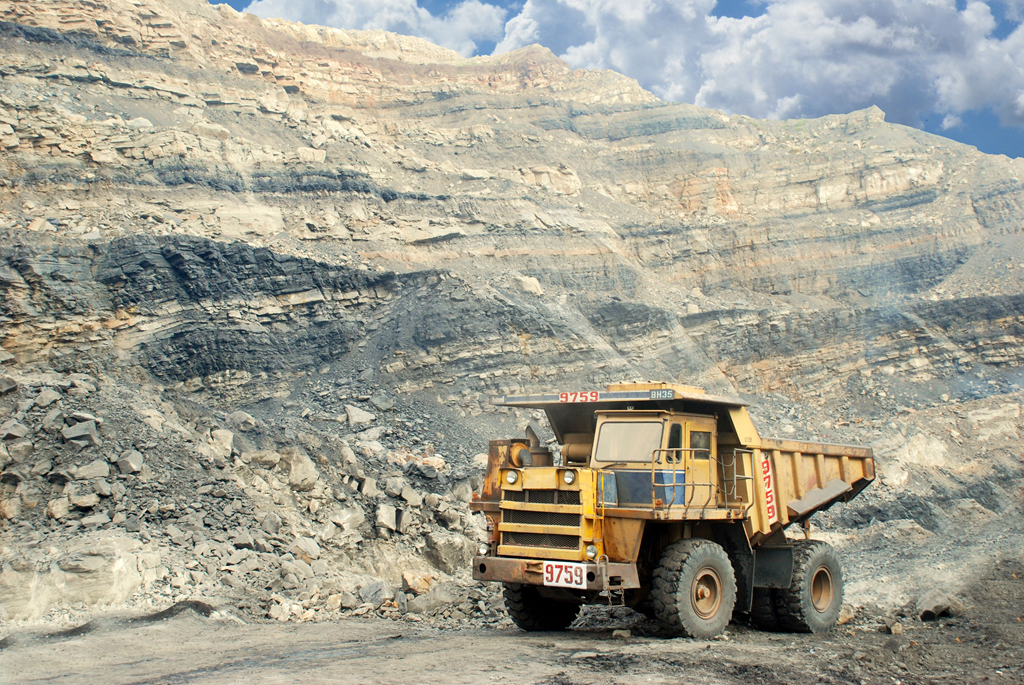

The mining industry has entered an era where digital transformation extends far beyond the adoption of autonomous vehicles and advanced analytics. Across mine sites, connected technologies are changing how operators manage resources and respond to operational challenges in real time. As these capabilities become increasingly integrated into daily workflows, they are reshaping expectations for the infrastructure that supports mining activities just as much as the machinery that often takes center stage.
Among the many systems undergoing this shift, water management has emerged as a particularly important area of focus. Water is essential to numerous mining processes, from dust suppression and mineral processing to equipment maintenance and general site operations. Companies today also face growing pressure to improve workplace safety and maximize resource efficiency, on top of near-constant demand to demonstrate responsible environmental stewardship.
Achieving these objectives requires dependable water transfer systems that can support operational continuity while fitting into broader strategies for infrastructure management and digital oversight.
This evolving landscape has prompted many mining companies to take a fresh look at assets that they have long considered purely functional. For instance, standpipe systems are no longer viewed solely as fixed access points for water distribution. Instead, they are increasingly recognized as part of a wider network of infrastructure that contributes to safer operations, improved maintenance planning, and more resilient water management practices.
As mining operations continue to modernize, these foundational systems are proving that even established infrastructure has an important role to play in the industry’s digital future. Here’s a detailed exploration of the role and importance of standpipe systems in mining today.
Modern Mining Demands Greater Visibility across Essential Infrastructure
Modern mining operations depend on thousands of interconnected assets working together across vast and often remote environments. While production equipment naturally attracts significant investment, the supporting infrastructure that keeps operations running efficiently has become equally important. Operational utilities such as water transfer systems and power distribution networks contribute to site productivity, making their performance increasingly relevant to day-to-day decision-making. As mining projects grow in scale and complexity, operators need greater visibility into these systems to minimize disruptions and maintain consistent performance.
Digital technologies have allowed greater oversight. Remote monitoring, telemetry, and centralized asset management platforms enable operators to track infrastructure performance and identify irregularities sooner. It also facilitates more proactive maintenance scheduling. Rather than relying solely on reactive inspections after problems arise, site managers can use operational data to support more informed planning and reduce unnecessary downtime.
This broader shift reflects an important change in mindset: it no longer makes sense to treat infrastructure as a collection of isolated components. Instead, it is now part of an integrated operational ecosystem where every asset contributes to a site’s overall efficiency and safety and supports its long-term resilience.
Advanced Standpipe Systems Strengthen Both Safety and Operational Efficiency
Within this broader shift, standpipe systems continue to serve a fundamental purpose by providing reliable access to water wherever it is needed across a mining operation. Whether supporting dust suppression, equipment washdown, or other site activities, well-designed standpipe systems help ensure that teams can access water efficiently and consistently. Equally important, they reduce the need for improvised water collection methods that may introduce unnecessary operational risks, particularly on busy sites where vehicle movement and equipment activity must be carefully coordinated. With proper standpipe systems, it’s easier to establish designated access points; they thus contribute to safer workflows while helping maintain orderly water distribution across the site.
Their value extends even further when considered within the context of today’s increasingly connected mining environments. Modern standpipe systems are engineered for durability and reliability; they are also designed to be compatible with broader infrastructure management practices. All of these make them well suited to operations that prioritise preventive maintenance and long-term asset performance. Rather than functioning as isolated pieces of equipment, they support more structured approaches to water management by providing dependable infrastructure that operators can confidently incorporate into site planning and maintenance programmes.
As industry expectations continue to evolve, Australian manufacturers such as Liquimech Group have responded by developing engineered standpipe solutions designed to meet the operational demands of modern mining environments while supporting safer and more efficient water transfer practices.
Smarter Infrastructure Is Built Through Every Operational Improvement
The mining industry’s digital transformation is often associated with major technological investments, such as autonomous fleets, predictive analytics, and sophisticated operational control centres. While these innovations undoubtedly shape the future of mining, they are only part of the equation. Lasting improvements in safety and efficiency also depend on the reliability of the infrastructure that supports everyday activities. When supporting assets are designed to perform consistently and integrate seamlessly into operational workflows, they help create a stronger foundation for every other digital initiative on site.
This broader perspective highlights an important reality about modern infrastructure planning. The value of a connected mining operation does not come solely from collecting more data or deploying more advanced technologies, but from ensuring that each component contributes meaningfully to operational resilience. Infrastructure such as standpipe systems may operate largely in the background, yet they help support the safe movement of essential resources and simplify maintenance activities across the site.
Thus, mining companies currently in the process of digitalizing their operations will benefit from recognizing the strategic role of these foundational assets in achieving practical, measurable improvements.
Digital transformation will only continue to influence every corner of the mining industry, and even long-established assets are finding new relevance within more connected and resilient operations. The future of mining will therefore be ultimately shaped as much by the strength of its supporting infrastructure as by the sophistication of its newest technologies. In the end, building smarter mine sites means recognizing that meaningful progress often begins with improving the systems that quietly keep everything else moving.