

Modern logistics operations face constant pressure to move goods efficiently while maintaining high service standards. As the demand for faster fulfilment increases, businesses need equipment that can help them move products with greater speed and consistency.
At this point, many warehouse operators and logistics managers would look at a forklift for sale and evaluate whether its capabilities are suitable for their operational requirements. The right forklift can contribute to stronger operational performance across a warehouse or distribution centre, improving its overall efficiency.
Knowing the value forklifts provide in a more competitive logistics setting can make such a purchasing decision more grounded in long-term operational needs. Here are the advantages that make this equipment worth considering:
1) It Optimizes Vertical Warehouse Space
Many warehouses utilize their facility’s vertical space to increase storage capacity. This setup takes advantage of high racking systems, allowing warehouses to store more inventory even when floor space is limited. Access and retrieval of items in this type of storage arrangement requires equipment capable of safely reaching elevated locations. This is where a forklift becomes particularly valuable.
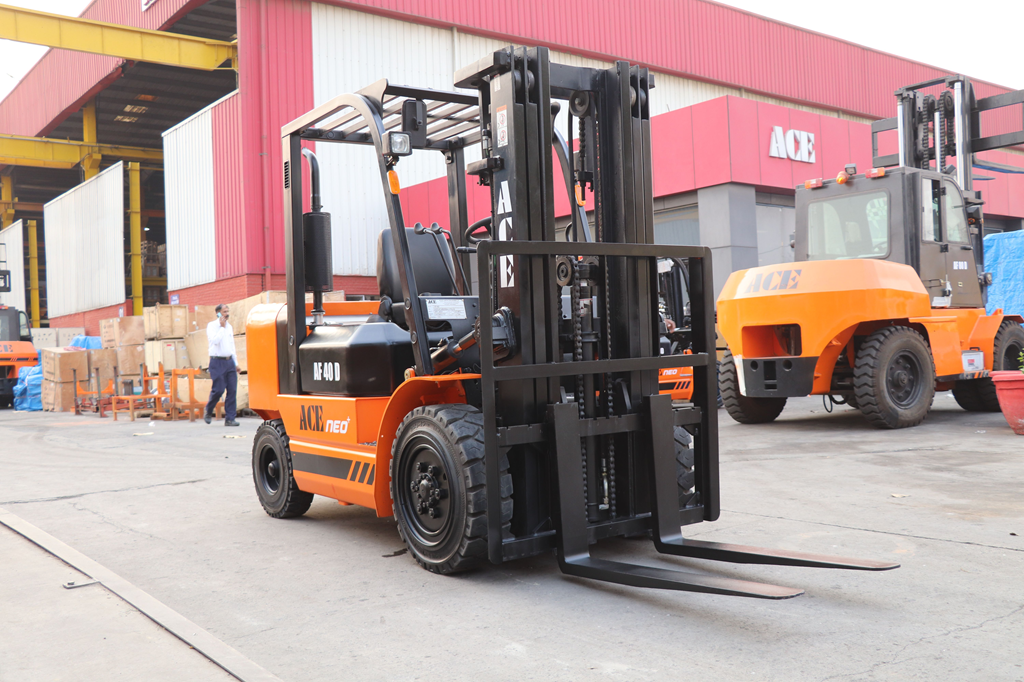
A forklift enables teams to move palletized goods into high racking bays and bring them back down without disrupting the warehouse layout. Its lifting mast, forks, and load-handling controls allow operators to raise goods to the correct storage level with stability and precision. This makes vertical storage more usable in daily operations, not just available in theory. With the right forklift, teams can organize inventory across multiple rack levels and access those goods when needed without relying on slow manual handling.
2) It Keeps Goods Moving Efficiently Across the Supply Chain
Materials often need to be transferred between receiving areas, storage locations, picking zones, and loading bays before they can reach their final destination. Delays during these transfers can slow down the wider flow of goods, affecting warehouse productivity and order fulfilment timelines. Therefore, streamlined movement between these areas is essential for maintaining an efficient logistics operation. However, consistent movement of inventory depends on having the right material-handling equipment in place.
Forklifts allow operators to transport large or heavy loads quickly between different areas of a warehouse. They’re designed to carry palletised goods in larger quantities, which reduces the need for repeated manual trips. This helps goods move more efficiently from receiving to storage, picking, and dispatch, enabling warehouses to support a more reliable flow of products throughout the supply chain.
3) It Increases Productivity without Expanding Headcount
Labor resources can become stretched as inventory volumes increase and operational demands grow. Hiring additional staff may help address higher workloads, but it also raises labor costs and training requirements. While some businesses may be able to expand their teams, others may need to improve output with their existing workforce due to their budget or staffing constraints.
Your investment in a forklift can help close this gap. This equipment enables a single operator to move loads that would otherwise require multiple workers or repeated manual handling efforts. Large quantities of goods can be transported in a single trip, allowing more tasks to be completed within the same amount of time. As a result, facilities can handle higher workloads without immediately increasing headcount.
4) It Strengthens Safety Standards in Daily Operations
Busy warehouse environments often involve the regular movement of heavy goods across different parts of a facility. Items need to be unloaded from deliveries, moved into storage, and transported to dispatch areas. Continuous handling of these loads manually can increase the physical demands placed on workers. As a consequence, repeated manual handling can place considerable stress on the body and increase the risk of workplace injuries.
To help reduce some of these risks, many warehouses rely on specialised material-handling equipment. Forklifts are a common example, as they’re designed to lift, transport, and position heavy loads in a controlled manner. Their load-handling features reduce the amount of manual effort required from workers, helping operators move goods with greater stability than many manual handling methods.
Training is necessary to ensure forklifts are operated correctly and safely. Forklifts that are used properly can contribute to a safer working environment while helping facilities maintain efficient day-to-day operations.
5) It Supports Long-Term Cost Efficiency and Business Growth
Business growth often places new demands on logistics operations. Higher order volumes, larger inventories, and more frequent stock movements can gradually place pressure on existing processes. In this regard, equipment that works well throughout the different stages of growth can help businesses adapt to changing operational demands more effectively.
Forklifts can help businesses prepare for these changes. Many modern models offer the flexibility needed to support both current operations and future growth plans. They come with features that suit a broader range of operational requirements, such as higher load capacities, extended lift heights, and specialized attachments. This allows facilities to accommodate growth more effectively while making better use of existing resources. Over time, the ability to support higher workloads without substantial operational disruption can contribute to greater cost efficiency and a stronger foundation for future expansion.
A forklift may be best known for lifting and transporting goods, but its role in modern logistics operations extends much further than that. The equipment often supports activities that influence how efficiently a facility functions on a daily basis and how well it responds to changing operational dements. That said, looking beyond a forklift’s specifications and purchase costs can provide a clearer understanding of its overall contribution. This broader perspective can help businesses evaluate forklifts based not only on what they do, but also on the operational value they bring.