
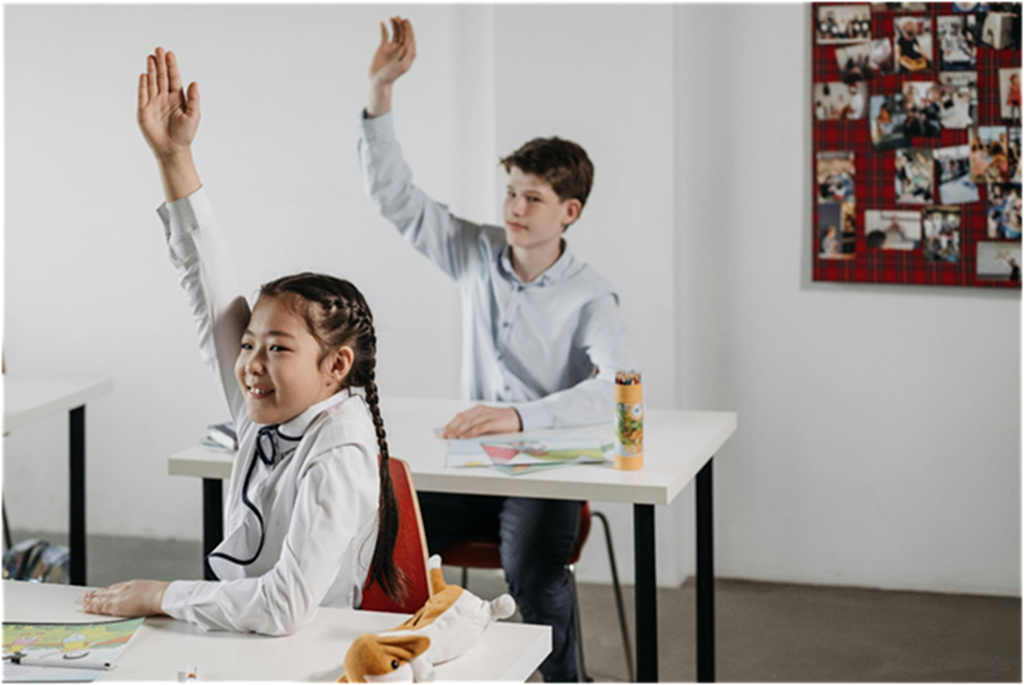

Have you ever watched a room full of students slowly drift away while the lesson was still going on? Not in a dramatic way, just small signs. Eyes drop to screens, notes stop halfway, attention slips somewhere else. It happens quietly, and by the time it is noticed, it is already too late to pull everyone back in.
This is not new, but it feels more common now. Attention is harder to hold, even when the content is solid. Students are used to faster feedback, quicker shifts, and more interaction. When a lesson moves in one direction for too long, it starts to lose them. The challenge is not just teaching the material. It is keeping them present long enough for it to land.
Engagement Is Not Just About Energy
There is a tendency to think engagement means being lively or entertaining. That helps for a moment, but it does not last. Real engagement shows up when students are involved in the process, not just watching it happen.
When students are asked to respond, think, or apply something, attention tends to hold longer. It does not need to be complex. Even small points of interaction can change the rhythm of a lesson. The issue is not always the content. It is how long students are expected to sit with it without doing anything.
Using Simple Interaction Tools
One thing that has shifted in recent years is how quickly students expect feedback. Waiting until the end of a lesson or even the next day feels too slow. When they respond to something, they expect to know where they stand almost immediately. Because of that, many classrooms are moving toward tools that allow quick, low-pressure interaction during the lesson itself. Many teachers now engage students with quiz maker tools that keep them actively involved in the lesson. Short checks, quick responses, and small knowledge tests can be built into the flow without interrupting it too much. It keeps things moving while still giving students something to do.
Attention Works in Short Cycles
Most lessons are still structured in long blocks, but attention does not really work that way anymore. It tends to come in shorter bursts. Students can focus, but not continuously for extended periods, without some kind of shift.
Breaking a lesson into smaller segments helps. Not formal segments, just natural pauses where something changes. A question, a short task, even a moment to reflect. It resets attention without needing to restart the lesson. This does not mean shortening the content. It means adjusting how it is delivered over time. The same material can feel different depending on how it is spaced out.
The Role of Familiar Distractions
It is easy to point at phones or outside noise and call them the problem, but those habits are already part of how students move through the day. Constant input is normal now. Messages, short videos, quick updates, all of it runs in the background. That pattern does not just switch off when a lesson begins.
When a class stays the same for too long, attention drifts back to that familiar rhythm, almost automatically. It is not always a choice. It just happens in small moments. Instead of trying to remove distractions completely, some teachers are shifting how lessons move. They add small points where students have to respond or think. It is subtle, but it helps hold attention a bit longer.
Participation Feels Different for Different Students
Not every student shows engagement in the same way, and that becomes clear pretty quickly in most classrooms. Some jump in right away, answering out loud or reacting fast, while others take a bit more time to process before doing anything. A few prefer speaking, but many lean toward quieter responses like writing or clicking through something on their own.
This is where small shifts in approach start to matter. If the same kind of interaction is used again and again, it tends to reach the same group each time. Changing it, even slightly, brings others in. It is less about getting everyone at once and more about creating different ways in, so attention does not stay stuck in one place.
Feedback Changes the Pace
When students get feedback quickly, even if it is brief, something shifts in how they move through a lesson. They correct themselves sooner, stay a bit more alert, and adjust without needing to stop everything. It keeps the flow going. Small signals seem to be enough most of the time.
When feedback is delayed, there is usually a gap. Students keep going, but not always with confidence. Some guess, others disengage quietly. That uncertainty builds, even if it is not obvious right away. This is why short, immediate responses are being used more often now. They do not need to be detailed, just clear enough to guide the next step.
Less Content, More Retention
There is a steady push to cover as much material as possible, especially when time feels tight. It looks productive on paper. Lessons move forward, topics get checked off, and the pace feels efficient. But that does not always mean students are keeping up in a meaningful way.
In practice, slowing things down a little tends to work better. When students get space to respond, think, or apply what they just heard, the material stays with them longer. It can feel slightly uncomfortable at first, like not enough is being done. But over time, those pauses and small interactions often lead to stronger understanding, even if the lesson moves a bit slower than planned.
What stands out is that engagement is not being driven by big changes. It is happening through small adjustments. A question here, a pause there, a quick check during the lesson. These are not major shifts, but they add up. Over time, they change how a lesson feels, both for the teacher and the students. Keeping students engaged is not about doing something completely new. It is about noticing where attention drops and making small changes before it disappears completely.