
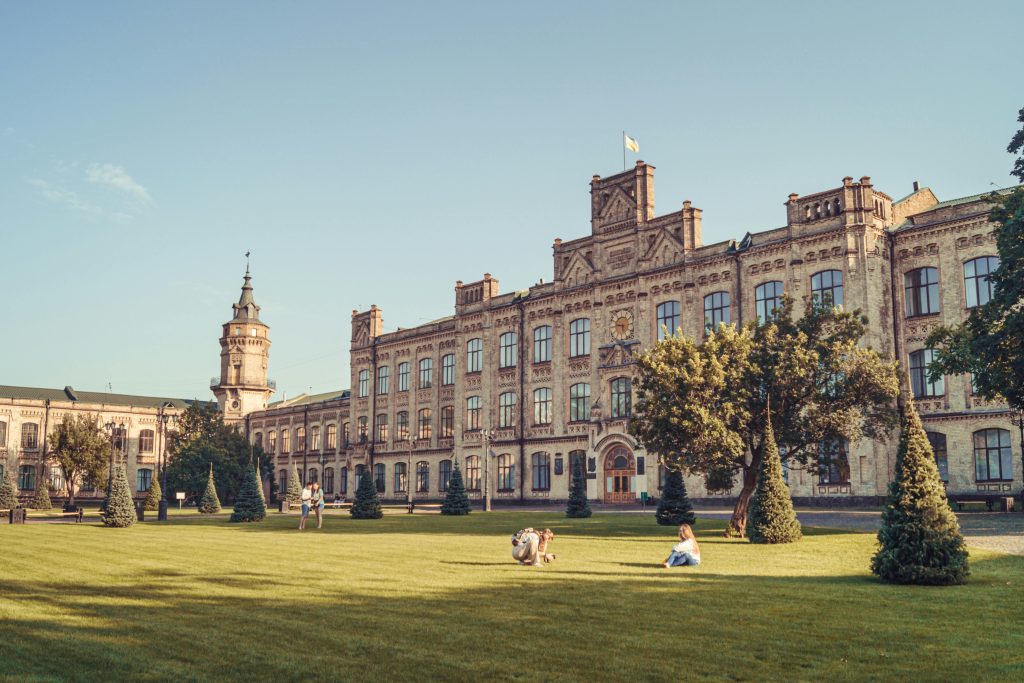

Why Alpine Academies attracts families
Alpine academies offer a distinctive blend of high academic standards, outdoor education, and cultural immersion that appeals to families around the world. Nestled in mountain valleys and perched above ski towns, these institutions combine rigorous curricula with an emphasis on physical resilience and environmental awareness. Many families seek Swiss Boarding Schools because they provide structured day-to-day life, small class sizes, and a reputation for producing graduates who excel both academically and athletically. The compact nature of mountain communities also fosters close relationships among students, faculty, and local residents, creating a supportive environment conducive to personal growth.
Academic excellence and personalized learning
Elite mountain schools often balance international curricula—such as the International Baccalaureate, A-levels or national programs—with personalized learning plans tailored to each student’s strengths and goals. Teachers at these academies typically have experience with diverse learning needs and cultural backgrounds, enabling them to differentiate instruction and provide targeted academic support. Language immersion programs are common, allowing non-native speakers to achieve fluency in the host country’s language while maintaining instruction in English or another global language. College counseling tends to be intensive and data-driven, with advisors guiding students through standardized testing, university selection and application strategies to maximize admission to top institutions worldwide.
Mountain sports and wellness
A defining feature of alpine academies is their integration of mountain sports into the educational model. Skiing, snowboarding, climbing, mountaineering and endurance training are scheduled alongside traditional classes, fostering discipline, time management and a deep respect for nature. Professional coaches and safety-trained staff lead athletic programs, and partnerships with local clubs or resorts ensure access to high-quality facilities. Wellness programs emphasize balanced nutrition, mental health resources and injury prevention, so that intensive training is sustainable over the long term. The mountain environment also serves as a living classroom for ecology, geology and environmental stewardship, enhancing academic subjects with hands-on fieldwork.
Boarding life and pastoral care
Life in a boarding house at an alpine academy is structured but not restrictive. A daily routine typically includes study periods, extracurriculars, meals in communal dining halls and supervised free time. Residential staff act as mentors and guardians, providing pastoral care and facilitating social integration for international students who are adapting to a new culture and climate. House tutors monitor academic progress, mediate interpersonal conflicts and help students develop independent living skills such as budgeting, time management and self-care. Cultural programming and language tandems connect students from different countries, creating a multicultural campus where friendships extend beyond national boundaries and often last a lifetime.
Safety, travel and health considerations
Mountain settings require attention to safety and logistics. Top academies prioritize emergency preparedness, avalanche awareness and first-aid training for both staff and students. Travel logistics are designed to be family-friendly: schools coordinate transfers from major airports, provide clear guidance on arrival procedures and maintain communication channels for guardians. Health services on campus include routine medical care, psychological counseling and protocols for managing chronic conditions. For international students, schools often assist with health insurance arrangements and ensure that medical records and vaccination requirements are handled before arrival.
Admissions, visas and financial planning
Applying to an elite alpine academy involves academic records, teacher recommendations, interviews and sometimes skill-specific assessments for applicants focused on competitive sports. Schools evaluate not only academic potential but also motivation, character and the ability to thrive in a communal living environment. Visa requirements vary by country; academies usually provide documentation and guidance to streamline the student visa process and explain guardian or local representative requirements for minors. Tuition packages can include boarding, meals, sports coaching and extracurricular activities; families should review fee schedules carefully and ask about additional costs for travel, equipment and summer programs. Scholarships and financial aid are offered by some institutions, though competition is often strong. Transparent conversations with admissions and finance offices help families budget realistically for the full term of study.
Alumni outcomes and global networks
Graduates of elite alpine academies often matriculate to selective universities and pursue careers in fields as diverse as international business, environmental science, sports management and medicine. The combination of academic rigor and outdoor leadership prepares students for environments that reward adaptability, teamwork and a disciplined work ethic. Alumni networks are active and international, providing mentorship opportunities, internships and connections that span continents. For students interested in professional athletics, school partnerships with sports organizations and a history of placing athletes on national teams can be decisive factors in choosing an academy.
Practical tips for families considering enrollment
When researching schools, families should visit if possible, speak with current students and parents, and review academic and athletic calendars to understand how training cycles align with exams. Ask about language support, boarding house composition and the ratio of international to domestic students. Inquire about local medical facilities and the school’s emergency response plan. Prepare students for cultural adaptation by encouraging basic language skills and open conversations about expectations for independence and communal living. Finally, involve the student actively in the decision; the most successful placements are those where the young person feels engaged and excited about the opportunities ahead.
Preparing students for success
A successful transition to an alpine academy starts before departure. Families can help by establishing routines that mirror school life—consistent study habits, time-management practices and physical conditioning for sport-focused programs. Encouraging resilience, curiosity and communication skills will make the cultural shift smoother and help students leverage the unique educational experiences that mountain academies offer. With thoughtful preparation and the right match between student and school, an alpine education becomes a transformative chapter that shapes academic trajectories, athletic achievements and lifelong perspectives on leadership and the natural world.