
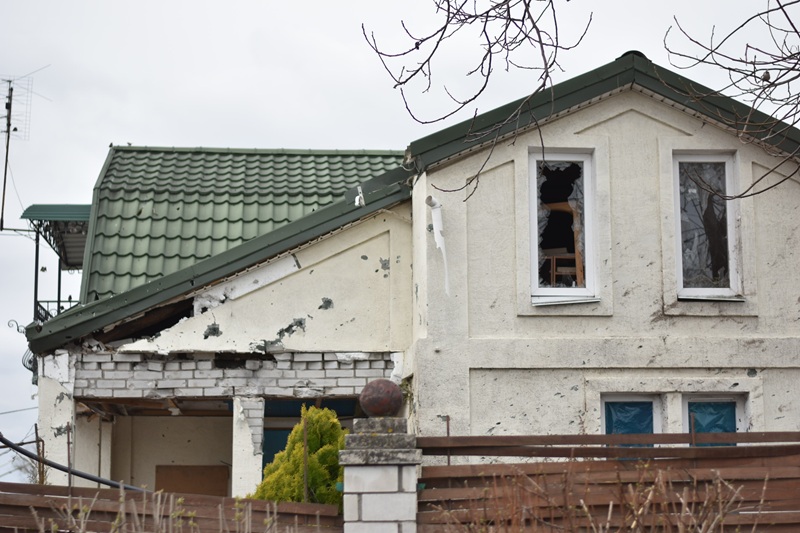

If you’re watching the Newport Beach real estate market, you already know how much presentation, timing, and documentation affect a sale. Coastal properties come with strong demand, but they also face very specific risks, from salt-air wear to moisture intrusion after storms. When damage enters the picture, a listing can shift fast. You need to understand not just what broke, but how that damage changes value, negotiations, insurance decisions, and buyer confidence.
Water damage is rarely just a cosmetic issue
A stain on the ceiling looks minor until inspection reveals trapped moisture in insulation, drywall, or framing. In coastal housing stock, moisture problems can escalate quietly because humidity, poor ventilation, and older building materials create ideal conditions for concealed deterioration.
If you’re evaluating a property after a leak or flood event, surface drying is not enough. Moisture mapping, thermal imaging, and material testing often matter more than paint and patchwork. A buyer who sees fresh cosmetic work without proper documentation may assume a cover-up.
That’s where professional damage restoration enters the real estate conversation in a practical way. You’re not just fixing finishes. You’re restoring habitability, documenting mitigation, and reducing the chance that a future inspection turns one incident into a broader trust problem.
When remediation is thorough and clearly recorded, the property has a better chance of returning to standard market behavior instead of lingering in a gray area.
Damage changes the deal long before closing
A damaged property rarely loses value only because of the repair bill. The bigger issue is uncertainty. Buyers start calculating hidden defects, delayed move-in dates, permit complications, and possible insurance headaches. Sellers often underestimate that part.
In a market like Newport Beach, where buyers expect polished inventory and strong disclosures, visible signs of water intrusion, smoke residue, or warped flooring can quickly weaken leverage. Even if the structure is fundamentally sound, the perception of risk becomes part of the pricing conversation.
That effect shows up in small ways first. You’ll see longer inspection periods, more aggressive credits, and tighter contingency language. A home that would have triggered emotional offers may suddenly invite investor-style math. Once damage reframes the property as a project, the buyer pool usually gets narrower.
Insurance timelines can disrupt your selling strategy
Insurance claims don’t move at listing speed. Real estate deals often run on days and weeks, while adjuster visits, claim reviews, contractor availability, and scope approvals can stretch much longer. That mismatch creates tension when a seller wants to go live before every issue is fully resolved.
You need to separate repair completion from claim completion. A claim may still be active even after much of the visible work is done. Buyers, meanwhile, may ask whether all remediation invoices, carrier correspondence, and contractor warranties are available for review.
There’s also the issue of underwriting. Some insurers hesitate when there’s a recent loss history tied to water, fire, or mold. A buyer may secure financing but face insurance friction late in escrow, which can alter closing timelines or terms.
For sellers, the cleanest approach is usually organized documentation: claim number, loss date, scope of work, before-and-after photos, and proof that licensed professionals handled key steps. Good records don’t erase damage history, but they reduce speculation.
Buyers read repair quality as a signal of overall upkeep
When buyers walk a damaged-then-repaired home, they’re not only judging the affected area. They’re assessing the owner’s maintenance habits. Clean remediation, matching finishes, permit compliance, and straightforward disclosures suggest competence. Sloppy transitions and vague explanations suggest deferred maintenance elsewhere.
That judgment becomes sharper in higher-value neighborhoods. A premium property is expected to show consistency. If one repaired section looks rushed, buyers may wonder about the roof, plumbing, drainage, windows, or HVAC even if those systems test fine.
You can see this in inspection negotiations. One poorly handled repair often triggers a wider request list because confidence has already slipped. The buyer is no longer evaluating a single event; they’re pricing in operational risk.
For agents and sellers, this means repair decisions affect narrative control. The work itself matters, but the sequencing matters too. Diagnosis, mitigation, remediation, and finish restoration should form a coherent paper trail, not a patchwork story assembled during escrow.
Some damage hits marketability harder than appraised value
Not every form of damage causes the same market reaction. A repaired pipe leak with solid documentation may be manageable. Fire damage, recurring mold history, or sewage backup tends to provoke a stronger emotional response, even when repaired to a high standard.
That emotional factor affects marketability in ways an appraisal may not fully capture. Appraisers rely on comparable sales and observable condition, but buyers react to fear, inconvenience, and stigma. Those reactions can shrink showing traffic or reduce offer confidence before formal valuation even begins.
This matters if you’re deciding whether to list immediately after repairs or wait for a stronger presentation window. Fresh restoration paired with contractor invoices, indoor air quality reports, and permit signoffs can help. So can giving buyers enough time to review documents before they feel cornered into a decision.
In practical terms, liquidity matters. A house can retain much of its technical value while becoming harder to sell smoothly. That gap is where many negotiations get messy.
Smart preparation can keep one incident from defining the property
A single damage event does not have to become the property’s entire identity. What shapes the outcome is your response speed, documentation quality, and willingness to address secondary issues before the listing hits the market.
Start with scope, not assumptions. You need to know what materials were affected, whether moisture migrated, whether remediation met current standards, and whether any permits were required. Then build a disclosure package buyers can actually follow without decoding contractor shorthand.
It also helps to think like a skeptical purchaser. What questions would you ask if you saw new baseboards, recently replaced drywall, or a claim on record? If you answer those questions in advance, the property feels managed rather than uncertain.
Real estate value is never just about square footage and zip code. It’s also about confidence. When damage is handled with precision and transparency, you preserve more of that confidence, and confidence is what keeps deals moving.