

Shipping speed is now a buying decision. Customers on the West Coast, and increasingly across the country, have come to expect two-day delivery, and brands that can’t deliver it lose to ones that can. Choosing the right West Coast 3PL partner is one of the most direct levers available to scaling ecommerce operations.
Why West Coast 3PL providers matter for scaling fast
Geography does real work here. A fulfillment center in Los Angeles, Las Vegas, or the Pacific Northwest puts inventory within a one-day ground zone for tens of millions of consumers before a single air shipment is needed. That’s not a minor operational detail. It’s a meaningful cut to carrier costs and transit times simultaneously.
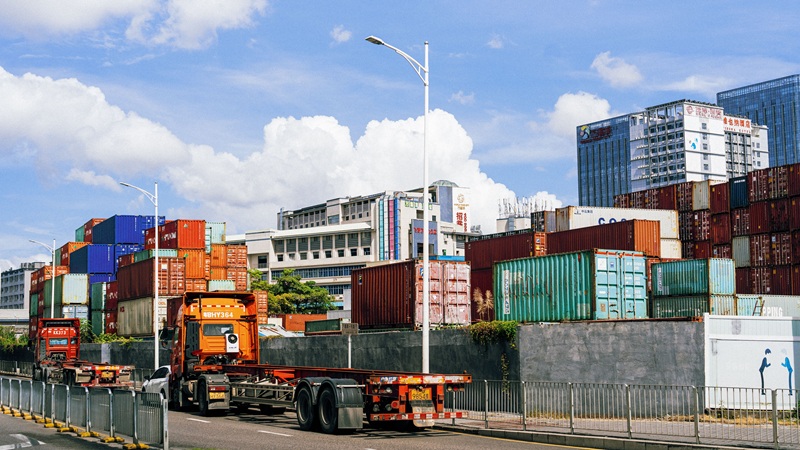
Brands importing from Asia get a real logistical edge here. West Coast ports like Long Beach and Los Angeles serve as major gateways for imported goods, so inventory flows from port to warehouse to customer without a lengthy cross-country detour.
1. Ops Engine
OpsEngine, West Coast 3PL provider, operates as a dedicated warehouse department for ecommerce brands, handling DTC, subscription box, Amazon FBA prep, and kitting from its Valencia, California facility with a focus on precision and brand alignment.
- Services: Receiving, storage, pick and pack, DTC fulfillment, subscription boxes, Amazon FBA prep, kitting, assembly, returns, and retail prep. Ops Engine is a strong fit for DTC and omni-channel brands in apparel, beauty, supplements, baby, toys, and pet supplies that want hands-on, personalized fulfillment. Four-part scan verification delivers 99.99% accuracy on receiving and outbound orders. Billing is detailed and itemized with no “other,” miscellaneous, or general fees. The company was founded and is led by Arsen Janikyan, whose background includes VP of Operations at Buck Mason and experience at JPL NASA. An East Coast location in Pennsylvania is coming soon, extending the network for brands needing bicoastal coverage.
2. Ship Fusion
Shipfusion is a 3PL built for online retailers, combining proprietary fulfillment software with SQF-certified U.S. warehouse locations to handle everything from order processing to returns.
- Services: Order processing, inventory management, returns handling, retail/B2B/wholesale fulfillment, and freight solutions. Shipfusion operates 1M+ sq ft across Chicago, York PA, Las Vegas, and Toronto, with U.S. facilities SQF Certified. Its proprietary fulfillment platform includes real-time analytics and strong reporting capabilities. Spiral Bible achieved a 211% increase in order volume while maintaining 99.9% order accuracy through Shipfusion’s network. Headquarters are in Toronto, Canada; brands needing a U.S.-based point of contact should confirm team structure.
3. Ware2Go
Ware2Go, a Stord company, offers on-demand warehousing and fulfillment built around making one-to-two-day delivery accessible for merchants of all sizes, backed by a technology platform that tracks what customers actually order.
- Services: Ecommerce order processing, retail fulfillment, freight forwarding, inventory management, and B2B/B2C channel switching. The platform includes 80+ integrations and analytics tools for order patterns, transportation strategy, and inventory distribution. O2 Recovery grew ecommerce sales 10x and ALOHA grew D2C sales over 300% after partnering with Ware2Go. Ware2Go is a strong fit for merchants who need flexible warehouse placement and want demand-driven inventory positioning across multiple U.S. locations. Founded in 2018, it is relatively newer than some competitors, which may affect brands seeking long-tenured 3PL partnerships.
4. Ship Monk
ShipMonk is a high-volume fulfillment provider for DTC, B2B, and retail brands shipping 500 or more orders per month, operating across 12 facilities in the U.S., Canada, Mexico, and Europe.
- Services: Inventory storage, pick and pack, shipping, kitting, Amazon FBA prep, barcoding, flash sales support, and forecasting. ShipMonk runs 2,000+ team members across 12 facilities, making it a strong fit for brands that have already grown past startup stage. Its order, inventory, and warehouse management system includes a unified merchant portal. Clients include Saranghae, Speks, BEARD KING, BetterBack, and Chalk Line Apparel. The 500-orders-per-month minimum means early-stage brands may not yet qualify.
5. Deliverzen
Deliverzen is a boutique 3PL based in Irving, Texas, specializing in beauty, skincare, and supplement brands that need climate-controlled warehousing, custom packaging, and high-touch fulfillment support.
- Services: DTC and B2B fulfillment, custom pack outs, Amazon order fulfillment, influencer product drops, kitting, and POS display projects. Deliverzen operates a 34,000 sq ft fully climate-controlled warehouse in Irving, Texas. Divi scaled from $20M to $75M in sales after expanding into Target and Ulta with Deliverzen’s support, and monthly order volume grew from 12,000 to 35,000. Deliverzen is a strong fit for beauty and wellness brands that prioritize hands-on service and category-specific handling. Smaller team (11 to 50 employees) and single warehouse location; brands with very high volume or multi-region needs may find capacity limited.
How to pick the right West Coast 3PL for your operation
Start with geography, then layer in your specific needs. If the majority of your customers are in California, Oregon, or Washington, a provider with a Los Angeles or Las Vegas facility cuts both cost and transit time in ways a Texas-based warehouse simply can’t match on ground shipping alone.
But location is just the starting point. Consider SKU handling next. Brands with kitting, subscription boxes, or custom packaging need a 3PL with real experience in those workflows, not just a warehouse with excess floor space. The wrong pick here shows up in error rates and fulfillment delays quickly.
Volume thresholds matter, too. ShipMonk’s 500-orders-per-month minimum excludes earlier-stage brands; Deliverzen’s boutique setup may cap out for high-volume operations. Know where your brand sits now and where it’s realistically headed in 12 months before committing to a contract.
Technology fit deserves a hard look. Real-time inventory visibility, clean integrations with your ecommerce platform, and automated returns handling aren’t optional luxuries once you’re operating at scale, they’re what stops your operation from buckling under growth pressure. Ask every shortlisted provider to walk you through a live demo of their merchant portal before you sign anything.
Finally, talk to the account team. Fulfillment is a relationship, not just a transaction. The difference between a provider that catches a receiving discrepancy and flags it proactively versus one that waits for you to notice is often down to how that relationship is structured on their end.
Bottom Line
The strongest West Coast 3PL companies for scaling ecommerce tend to share a recognizable profile: geographic positioning that cuts transit time, transparent pricing, and enough operational depth to absorb volume without letting accuracy slip. But the right fit still comes down to your specific order volume, product type, channel mix, and how much hands-on support your team genuinely needs. Weigh those variables honestly against each provider’s actual strengths, and the decision becomes considerably clearer.