
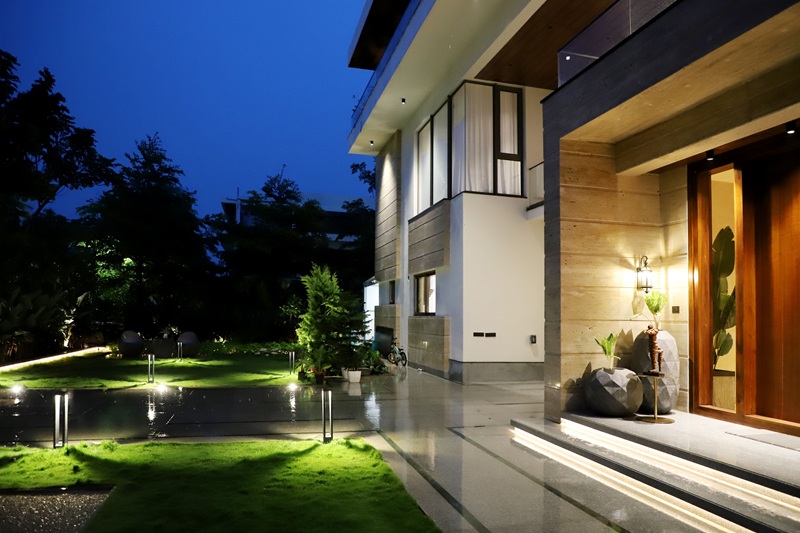

When you’re thinking about real estate value, your mind probably jumps to kitchens, bathrooms, and square footage. Fair enough. Yet outdoor lighting quietly shapes how a property feels before anyone even steps inside. It affects curb appeal, safety, usability, and the way buyers emotionally react during a showing. A home can look polished and expensive at night or oddly flat and forgettable. That difference often starts with a smart lighting plan, not a massive renovation.
First impressions start at the curb
You don’t get a second shot at a first showing. Buyers often form opinions within moments of pulling up, and exterior lighting helps control that first read. A well-lit walkway, entry, and facade make a home feel inviting and cared for.
When a property looks sharp after sunset, it gives off a subtle signal that maintenance hasn’t been neglected. Buyers notice that, even if they don’t say it out loud. Good lighting can highlight stonework, mature trees, architectural lines, and landscaping that might disappear at night.
For listings with evening open houses or winter showings, that matters even more. If the front yard looks dim and unstructured, the house can feel less premium. If it looks balanced and intentional, you’re already raising perceived value before the lockbox even clicks.
Lighting adds usable outdoor living space
Real estate value isn’t only about what exists on paper. It’s also about how much of the property feels usable. Outdoor lighting extends the function of patios, decks, fire pit areas, pools, and backyards well beyond daylight hours.
That changes how buyers imagine living there. Instead of seeing a dark backyard after dinner, they picture hosting friends, letting kids play later, or simply sitting outside without using a phone flashlight like it’s a camping trip.
This is where professionally designed landscape lighting services can make a measurable difference. The point isn’t to blast the yard with stadium-level brightness. It’s to create zones, improve visibility, and make the property feel larger and more useful. In buyer psychology, usable space often translates into stronger offers.
Safety features influence buyer confidence
A property that feels unsafe tends to create hesitation. You can have beautiful finishes indoors, but if steps, pathways, and side entrances are poorly lit, buyers may focus on risk instead of value.
Exterior lighting reduces trip hazards and improves navigation around the home. That includes driveways, walkways, uneven grade changes, gates, and pool perimeters. It also helps visitors feel more secure when arriving after dark, which can matter a lot during private showings.
Security perception plays a role too. Lighting near entry points, garages, and side yards can make the home feel less vulnerable. You’re not turning the place into a prison yard. You’re showing that the property has been designed with practical daily use in mind.
Buyers tend to connect visible safety features with responsible ownership. That emotional read can support stronger confidence in the home overall.
Design quality matters more than brightness
One of the biggest mistakes homeowners make is assuming more light automatically means better results. It doesn’t. Over lit exteriors can look harsh, cheap, and awkwardly commercial. Think less airport parking lot, more refined atmosphere.
Good outdoor lighting uses layering. That means combining path lights, up lighting, downlighting, and focal illumination in a way that feels balanced. The goal is to guide the eye, not interrogate the shrubs.
Color temperature matters too. Warm white lighting usually feels more residential and welcoming than cooler blue-toned light. Fixture placement matters just as much. Poor angles can create glare, deep shadows, or visual clutter that hurts the property’s appearance.
If you’re preparing a home for sale, quality beats quantity every time. Buyers notice cohesion. They may not know the technical terms, but they can absolutely tell when lighting feels polished instead of patched together.
Outdoor lighting supports premium positioning
Not every upgrade adds equal marketing value. Some improvements are invisible, while others help a listing stand out immediately in person and in photos. Outdoor lighting belongs in the second group when it’s done well.
Homes in competitive markets often need details that create a more upscale presentation. Lighting can support that premium positioning by emphasizing landscaping, hardscaping, water features, and architectural character. A basic front elevation can look significantly more custom with the right nighttime presentation.
This is especially relevant for higher-end properties, vacation homes, and homes with strong outdoor amenities. Buyers shopping at those price points expect the exterior experience to match the interior one.
Agents can also use twilight photography to powerful effect when the lighting is attractive and balanced. Those listing images tend to grab attention online, which matters because buyer interest usually starts on a screen long before a tour is scheduled.
Energy efficiency and maintenance still matter
Buyers love beauty, but they also think about ownership costs. If your outdoor lighting setup looks expensive to run or difficult to maintain, the appeal can fade fast. A smart system should look good without becoming a hassle.
LED fixtures are usually the go-to choice because they use less energy, last longer, and require fewer bulb replacements. Low-voltage systems are also popular for residential properties because they’re efficient and practical.
Controls add another layer of value. Timers, photocells, and smart automation can make the system more convenient while avoiding wasted energy. Buyers increasingly appreciate features that feel modern without being overly complicated.
Maintenance matters too. Fixtures should be durable, weather-resistant, and positioned in ways that don’t create constant upkeep. A system that works reliably gives off a very different impression than one with dead bulbs and crooked path lights. Real estate presentation lives in those details.
What homeowners and sellers should focus on first
If you’re thinking about improving outdoor lighting before listing a property, start with the areas buyers notice most. You don’t need to illuminate every square foot of the lot to create impact.
Focus first on:
– The front entry and porch
– Walkways and steps
– Driveway edges or approach lighting
– Key trees or landscaping near the facade
– Patio or backyard entertaining areas
– Side yard access and gates
Keep the design consistent across the property. Mixing random fixture styles usually looks disjointed. Aim for lighting that feels intentional, subtle, and aligned with the home’s architecture.
If the property already has a system, check for burned-out bulbs, outdated fixtures, exposed wiring, or uneven coverage. Small fixes can improve presentation fast. In real estate, polished details often do more work than dramatic upgrades, especially when they shape how buyers feel the moment they arrive.
A well-lit exterior can influence the final number
Outdoor lighting won’t replace a strong floor plan or fix deferred maintenance. Still, it can elevate buyer perception in a way that supports pricing, demand, and overall marketability. That’s a serious return for an upgrade many sellers overlook.
When a home looks safer, more usable, and more visually refined at night, buyers tend to experience it differently. The property feels finished. It feels cared for. It can even feel more expensive than comparable homes with dark, forgettable exteriors.
If you’re evaluating improvements through a real estate lens, outdoor lighting deserves a spot on the shortlist. It blends function with presentation, and that combination carries weight. In a market where small emotional edges can influence big financial decisions, a smart lighting plan is far from a decorative extra.